
Building More Resilient Supply Chains in a Changing Global Market
Supplier diversification, visibility, contingency planning and communication: practical steps toward a supply chain that can absorb disruption.
By OADIT Editorial Team
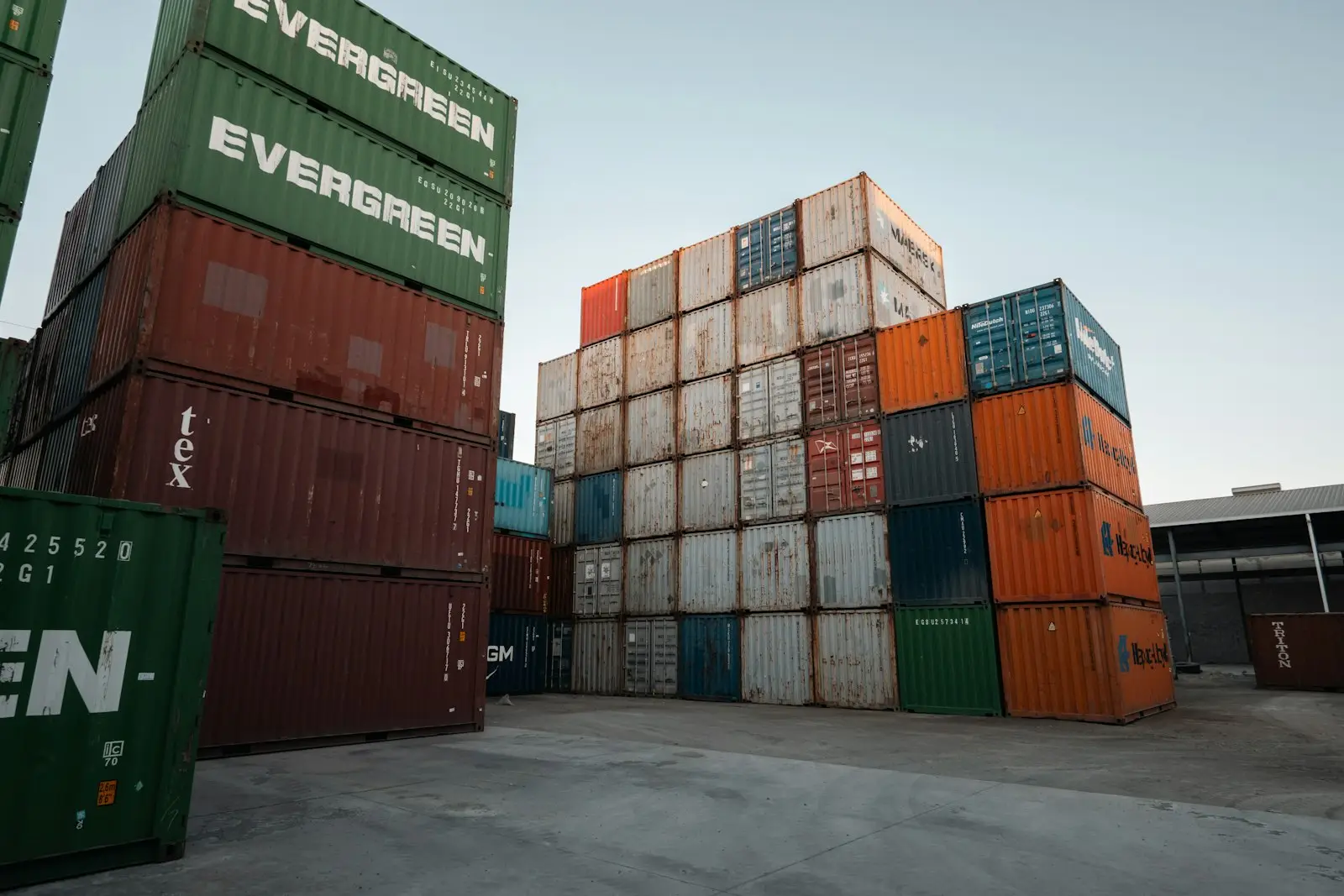
Supply chains are shaped by factors that no single business controls: port congestion, weather, regulation, commodity swings and geopolitical shifts. Resilience is the ability to keep operating, or recover quickly, when those factors change. It is built long before disruption arrives.
Diversify where it matters most
Relying on a single supplier or route for a critical item concentrates risk. Diversification does not mean splitting every order; it means identifying the items whose absence would stop your business and qualifying an alternative source in advance. Even a small, regularly used second supplier can be a valuable safety net.
- Rank products by business impact if supply stopped
- Qualify at least one alternative for the most critical items
- Consider different regions or routes, not only different companies
- Test alternative suppliers with small orders
Improve visibility
You cannot manage what you cannot see. Visibility ranges from knowing the status of an order to understanding which sub-suppliers your suppliers depend on. Start with straightforward steps: agree shared milestones, request regular status updates and keep a single, current view of open orders.
Plan for contingencies
A contingency plan answers three questions: what could go wrong, how will we notice, and what will we do. Document triggers, responsible people and pre-agreed alternatives. Rehearsing the plan, even in a short discussion, reveals gaps while the stakes are low.
Understand and manage lead times
Lead times are rarely constant. Measure actual performance against quoted lead times, and plan using realistic ranges rather than the best case. Where reliability is poor, build buffers or shift critical items to more dependable sources.
Keep documentation ready
Disruption often changes routes, origins or suppliers, which can change documentation requirements. Maintaining organised records, specifications and approvals makes it easier to switch quickly and demonstrate compliance when circumstances change.
Communicate early and honestly
Suppliers who are told about forecast changes early can often respond better. Likewise, customers value early notice of a delay more than a late explanation. Build relationships in which bad news travels quickly, and agree who communicates what, and when.
Review and test regularly
Resilience is not a one-time project. Markets, suppliers and regulations change, and a plan that was sensible a year ago may no longer fit. Schedule periodic reviews of critical items, alternative suppliers and contingency plans, and update them when your products, volumes or routes change.
Treat each disruption, however small, as a source of information. Note what happened, how quickly it was noticed, how the team responded and what would have helped. Small, steady improvements usually deliver more resilience than a large plan that is written once and never revisited.
This article is general educational content and does not represent proprietary research, legal, financial or customs advice.
Back to all articles